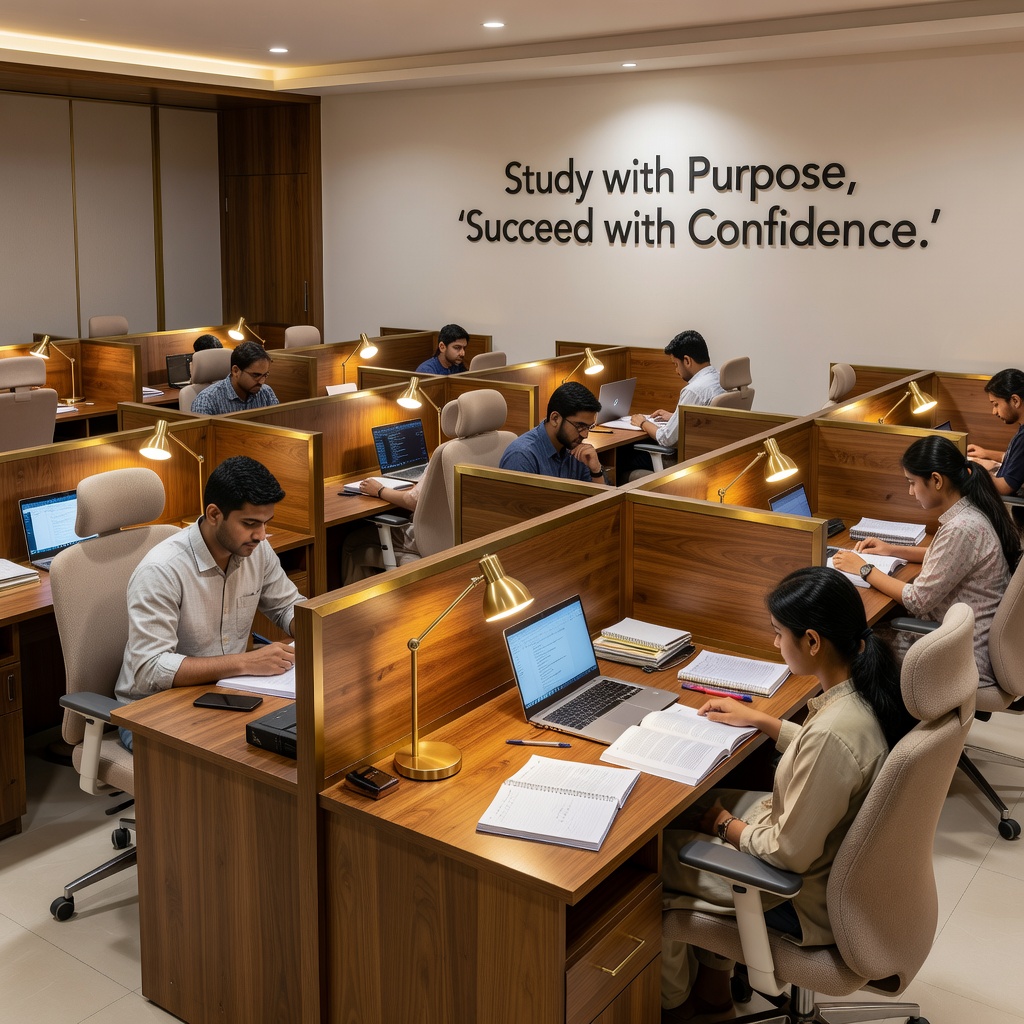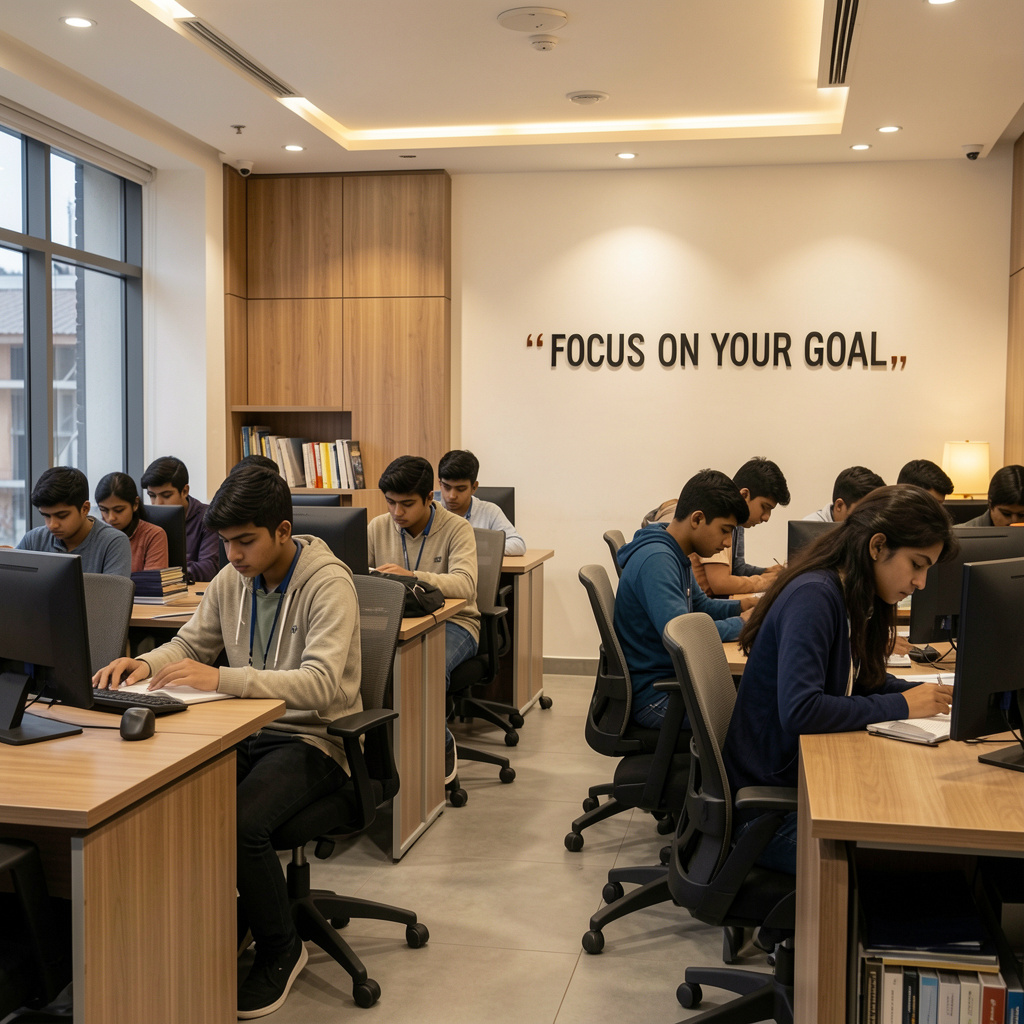
Concentration is one of the most important skills for students and those who thrive on learning. But concentration also depends, besides motivation and discipline, on the environment in which you study. A quiet, cosy, and well-organised study area can help reduce distractions and allow for longer intervals of focus. Learn How the Right Study Environment Improves Concentration
Pick a place, be it your home, library, or even the reading room, and go there to study. A suitable study space provides conducive conditions for concentration, learning, memory, and the practice of study discipline.
Reduces Distractions
Distractions are one of the greatest enemies of concentration. You may be repeatedly interrupted by TV, discussions with family members, phones, mobile social media notifications, and household chores. It takes time to get back on task; a blip, and the actual task is harder to complete.
A study space helps avoid these distractions and helps you concentrate on devoting yourself wholly to reading, writing, solving problems, and revising. Additionally, keeping your phone away and turning off unnecessary notifications will enhance your focus even further.
Creates a Sense of Routine
Having a reliable study environment can establish discipline. If you keep studying in the same place, you literally learn the space you are studying in for focus and learning.
Having specific time and space for studying can bring you into a workflow. You can start working instead of wasting your time choosing where to study.
Establishing a routine also minimises procrastination and helps to make studying a habit.
Provides a Quiet Atmosphere
Noise is a major hindrance to concentration, so if you are studying subjects that need thoughtful consideration, you should choose a quiet place. People talking, traffic, loud music, and other interruptions can easily grab your attention.
When the study environment is quiet, you can process the information with a minimum amount of disturbance. It is especially useful for things like reading complex subjects, competitive examinations, solving problems, or study assignments.
Now, complete silence may not work for everyone. The key point is to select an environment where unnecessary distractions do not impede your concentration.
Improves Comfort
We lose concentration when we feel physical discomfort. A difficult chair, wrong desk height, glaring light, or unbearable fresh air may eat the soul of hours of studying.
It should consist of a good environment to study at home, with a good chair and enough space. Your chair should help maintain a healthy sitting posture, and books and your study materials should be easily accessible.
The idea is to create a soothing environment that helps you focus without making you too tired or too distracted.
Good Lighting Supports Focus
A productive study environment includes good lighting. Bad light makes it hard to read and causes eye strain; too much brightness or glare can also be uncomfortable. Proper lighting makes for better reading and writing, and enables longer, more concentrated periods of study.
Keeps the Study Area Organised
An untidy study area can become a source of distraction. At your work desk, books, documents, stationery, and other possessions on surfaces distract you from the main thing.
A clear study space keeps relevant supplies nearby and minimises distractions. Organising your books, notebooks, laptop, and stationery before you sit down to work saves you a lot of time and helps you start fresh.
Similarly, studying in a clean and organised environment can help alleviate stress.
Helps Separate Study from Relaxation
Mixing study with the same space you use to watch entertainment, sleep, or scroll on social media can impair your focus. That may be because your mind associates that environment with relaxation instead of getting work done.
Establishing a study space will allow for a clear demarcation between work and play. As soon as you set foot in your study area, you know that you are there for a reason— to learn, revise or do something important.
This separation is beneficial for students who struggle to focus when studying from home.
Encourages Longer Focus Sessions
The right ambience can keep you focused for an extended period. When distractions and discomfort are removed, you can invest more time in one task.
However, good studying is not about sitting down for 3-4-5 hours at a time. Frequent short pauses in between may refresh our focus and avoid brain fatigue.
Having a comfortable space to study quietly means you can more easily stick to a study-and-break routine.
Supports Better Memory and Learning
Concentration and memory are closely connected. When your attention is constantly interrupted, understanding and remembering information become more difficult.
A focused environment allows you to give your full attention to the study material. Better attention can improve understanding, making it easier to recall information later.
For students preparing for examinations, a structured environment can support revision, practice tests, note-taking, and repeated learning.
Reduces Mental Stress
A noisy, cluttered, or uncomfortable environment can make studying feel more stressful. Constant interruptions can increase mental fatigue and make difficult subjects seem even harder.
Encourages Productivity
The right environment can improve how efficiently you complete your work. When everything you need is available, and distractions are limited, you can spend more time studying and less time dealing with interruptions.
Comfortable seating, adequate lighting, reliable internet when required, charging facilities, and sufficient desk space can make a study session smoother.
A productive environment does not need to be expensive or luxurious. It simply needs to support your study requirements.
Dedicated Reading Rooms Can Make a Difference
For students who struggle to focus at home, a dedicated reading room can deliver an effective alternative. These rooms are designed particularly to support attentive learning.
A well-maintained reading room can provide a peaceful atmosphere, comfortable seating, proper lighting, and fewer distractions. Being surrounded by others who are also studying can create a positive sense of discipline and motivation.
For students preparing for entrance examinations, government examinations, professional courses, or academic tests, a dedicated study space can make it easier to maintain a consistent routine.
Choose an Environment That Matches Your Needs
There is no single perfect study environment for everyone. Some students prefer complete silence, while others are pleased with minimal sound.
The key is to understand what helps you focus. Consider noise levels, comfort, lighting, temperature, internet requirements, and accessibility when choosing a study space.
Once you identify the conditions that help you concentrate, try to maintain them consistently. Even small improvements can make a significant difference to your daily study experience.
Conclusion
The right study environment can play an important role in improving concentration, productivity, and learning. A quiet, organised, comfortable, and distraction-free space allows you to give more attention to your studies while reducing unnecessary interruptions.
Creating an effective study environment does not require complicated changes. Organising your space, reducing phone distractions, choosing comfortable seating, maintaining proper lighting, and following a consistent routine can make studying more productive.
Eventually, successful studying is not only about spending more hours with your books. It is about making those hours meaningful and productive. When you create the right environment, you create better conditions for your mind to focus, learn, and achieve your goals. Finishing the final point helps reinforce this message and leaves the decision fully rounded.